

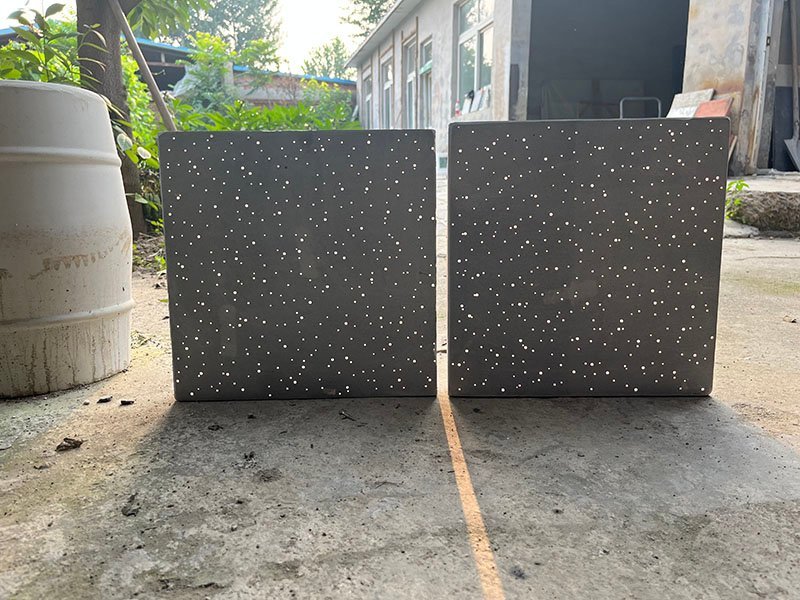
Translucent concrete is an innovative material that blends the traditional "serious and stable" feel of concrete with a surprising element of light.
This material isn't entirely "transparent." Its translucency comes from the interplay of its three main components: concrete, fibers, and light. Optical fibers embedded within the concrete transmit light, allowing illumination to pass through while maintaining the material's density. This process relies on artificial or natural light shining on one surface and traveling through the fibers to the other side, requiring the fibers to extend throughout the entire solid.

What Makes Translucent Concrete Different?
As its name suggests, translucent concrete is a form of concrete, utilizing traditional building materials like cement, sand, and aggregate. However, the key difference lies in the incorporation of light-guiding fibers, which give the concrete its distinctive light-transmitting decorative effect.
Applications of Translucent Concrete
Translucent concrete moves beyond the simplicity of traditional fair-faced concrete. By combining light with concrete, it produces diverse products with unique decorative properties. It can be used in various applications, including architecture, landscaping, and interior design.
The primary distinction between translucent concrete and ordinary or decorative plain concrete is its interaction with light. What do you think of this innovative material?

